The internet is changing faster than most businesses are prepared for — and the shift is deeper than it looks.
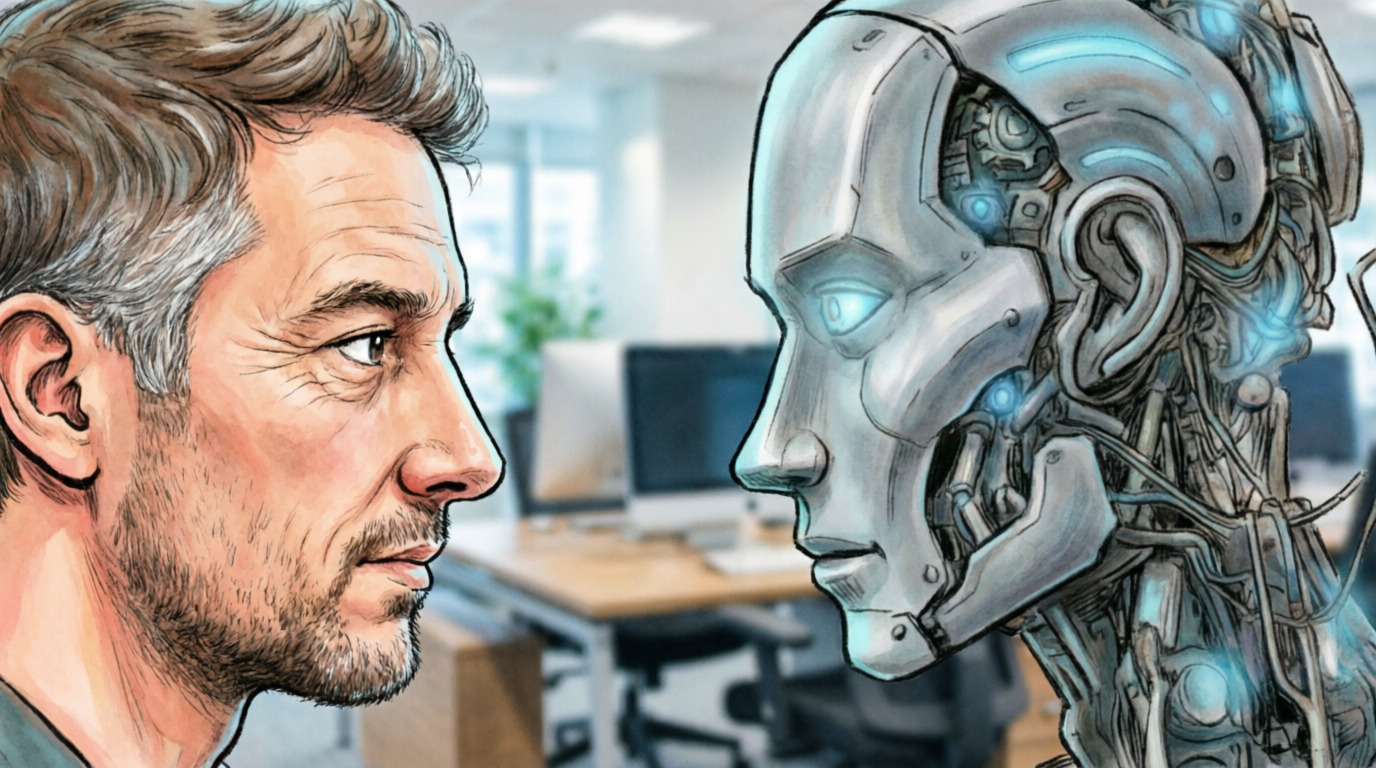
We are entering a world where AI is no longer just a productivity tool operating quietly in the background. It is becoming the invisible layer between businesses and people. AI now writes emails, generates videos, produces articles, drafts sales messages, and increasingly filters communication before a human being ever reads a word. More and more, the digital world is becoming a conversation between machines.
And while that creates extraordinary efficiency, it also creates a serious problem that many businesses still underestimate:
trust is eroding.
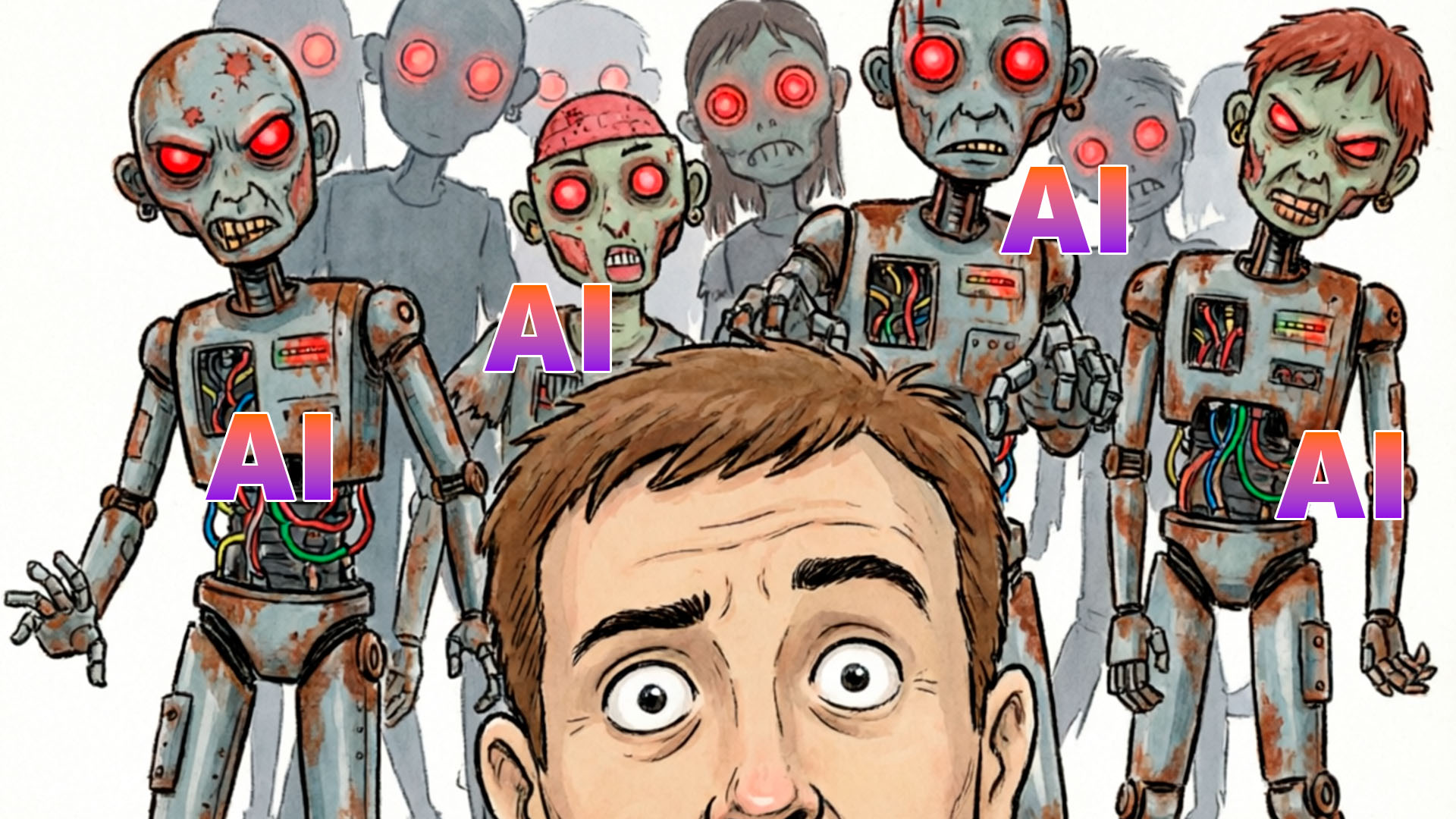
People are exhausted by generic automated content. Their inboxes are full of polished but empty messages. Their feeds are crowded with content that sounds smart, looks professional, and says absolutely nothing. Every day, consumers are exposed to more AI-generated communication — and with every wave of automation, skepticism grows.
The result is not just “more competition for attention.” It is something more dangerous: emotional disconnection.
When every message feels optimized, templated, and mass-produced, people stop listening. They scroll past. They ignore. They disengage. Not because technology is bad, but because too much digital communication now feels interchangeable, impersonal, and devoid of real human intention.
This matters in every industry — but it matters especially for financial advisors and other relationship-driven professionals.
Why? Because financial advice has never been just about information. It is about confidence. It is about trust during uncertainty. It is about helping people make deeply personal decisions around money, family, security, retirement, and legacy. Clients are not simply buying a product or a portfolio strategy. They are buying reassurance, judgment, clarity, and the feeling that someone truly understands their goals and fears.
That kind of trust cannot be automated.
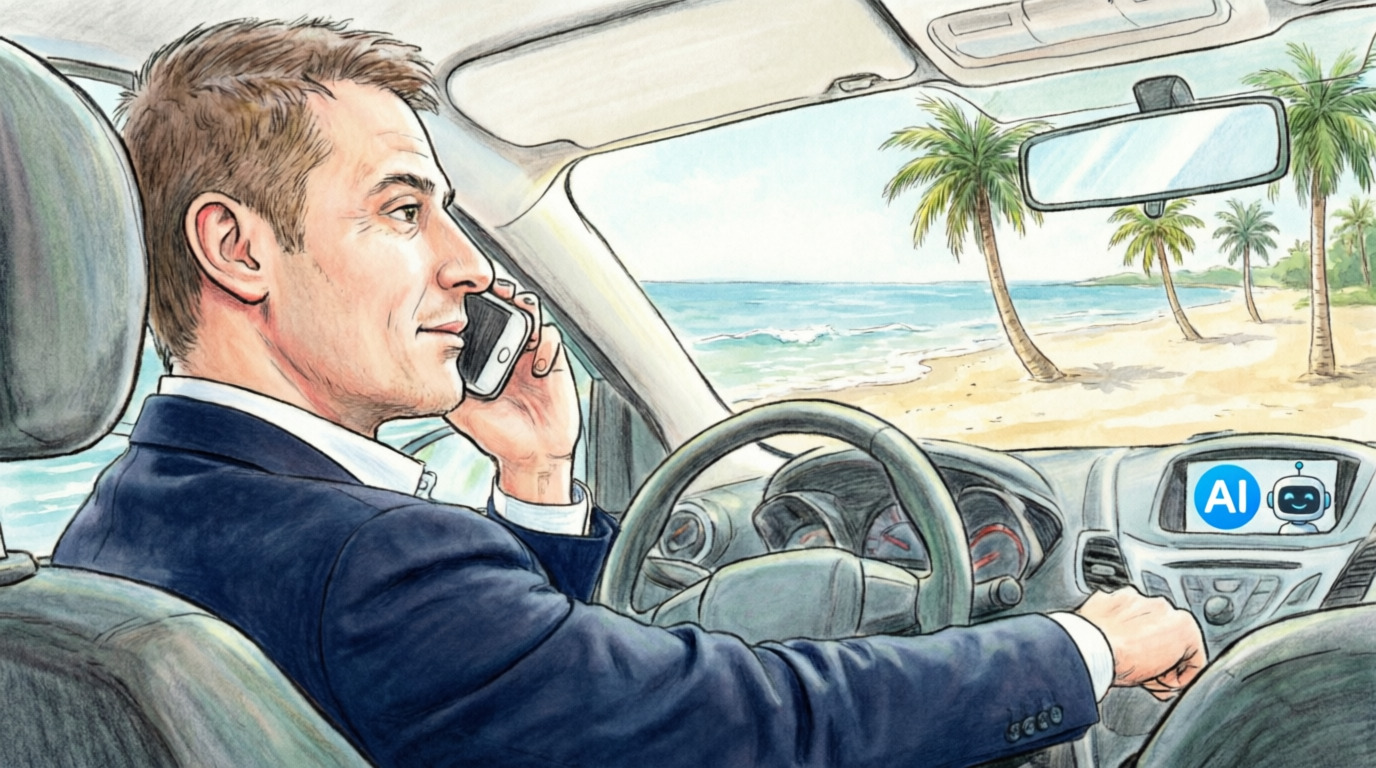
Yes, AI can help an advisor write follow-up emails faster. It can summarize meetings, generate market updates, prepare content, streamline workflows, and remove hours of repetitive admin work. Used well, it can become an incredibly powerful force multiplier.
But the advisors who will lead in the next decade will not be the ones who use AI to replace themselves.
They will be the ones who use AI to become more human where it matters most.
They will use automation to create space for what technology cannot replicate:
real conversations instead of generic outreach
thoughtful listening instead of scripted responses
empathy in moments of fear and uncertainty
nuanced judgment when life is messy and decisions are not obvious
long-term relationship building rooted in credibility, consistency, and care
This is the real opportunity of AI — not to remove the human from the process, but to remove the friction that prevents humans from showing up at their best.
The future does not belong to businesses that automate everything simply because they can. It belongs to businesses that understand where automation creates efficiency and where human presence creates trust.
That distinction will define the winners.
Because in a digital environment flooded with machine-generated noise, human attention becomes premium. Human judgment becomes premium. Human warmth becomes premium. The ability to make a client feel seen, understood, and safe — that becomes one of the most valuable competitive advantages a business can have.
In the years ahead, clients will not remember who sent the most content, posted the most often, or built the most sophisticated AI funnel. They will remember who made them feel confident enough to act. Who was present when decisions were difficult. Who communicated with clarity instead of volume. Who treated the relationship as human, not transactional.
AI will absolutely reshape business. That part is inevitable.
But the companies and advisors who thrive will be those who understand one simple truth:
technology should enhance trust, not replace it.
The future belongs to businesses that know how to combine automation with authenticity, efficiency with empathy, and scale with real human connection.
Because as the internet becomes more automated, trust will become more personal — and more valuable than ever.
.